 Microsoft has ended official support for Windows 7 on January 14 — 11 years after it first launched to rave reviews. Although Windows 10 eventually managed to overtake Windows 7's market share, many businesses and even home users continue to use Windows 7 despite Microsoft constantly urging them to upgrade. After January 14, Windows 7 users won't be getting any free support including any security updates. While your PC won't automagically stop working after January 14, not having timely security updates can comprise your online life. As we have seen with Windows XP, businesses reluctant to upgrade are used to paying hefty support fees to Microsoft after the official support period. A similar process is likely to be seen with Windows 7 as well. Enterprises have to enroll for Extended Security Updates (ESUs) in order to receive patches for vulnerabilities that may allow the spread of malware such as ransomware. If for some reason you wish to cling onto Windows 7, here's a neat hack developed by My Digital Life (MDL) forums veteran abbodi1406 to trick Microsoft into bypassing eligibility checks for Extended Security Updates. Then, register yourself on the MDL forums. Download the tool and install it. After installing the tool, fire-up Windows Update and see if it downloads the KB4528069 test update. If it does, your PC is now eligible to receive Microsoft's ESU that are otherwise only available to business users. The author notes that unlike conventional updates, ESUs have to be installed live via Windows Update only and cannot be installed offline or integrated into your Windows image via DISM. Eligibility for ESU is checked only once during the first ESU download. Therefore, you can remove the tool once eligibility is confirmed and you are able to download the aforementioned test update. However, do remember that the tool is still a prototype and any change in Microsoft's policies towards servicing ESUs may break the hack so, you will have to keep an eye on the thread for any updates to the tool. Follow this thread on OUR FORUM.  'The consequences of not patching the vulnerability are severe and widespread,' says National Security Agency, which found the bug. Windows 10 users have been urged to update their PCs or risk having private messages read. The huge vulnerability has been patched in an update but any computer that has not received the latest version of the operating system is at risk. The bug was discovered by the National Security Agency which alerted Microsoft, rather than using it to spy on citizens. The company then fixed the bug for all of its users through the latest free update, part of its "Patch Tuesday" program of regular fixes, which seals up the exploit and stops hackers from intercepting communications. There is no indication that the exploit has been used by hackers, Microsoft said, in a note that gave credit to the NSA for finding it. Amit Yoran, CEO of security firm Tenable, said it is "exceptionally rare if not unprecedented" for the U.S. government to share its discovery of such a critical vulnerability with a company. Yoran, who was a founding director of the Department of Homeland Security's computer emergency readiness team, urged all organizations to prioritize patching their systems quickly. An advisory sent by the NSA on Tuesday said: "the consequences of not patching the vulnerability are severe and widespread." Microsoft said an attacker could exploit the vulnerability by spoofing a code-signing certificate so it looked like a file came from a trusted source. "The user would have no way of knowing the file was malicious because the digital signature would appear to be from a trusted provider," the company said. If successfully exploited, an attacker would have been able to conduct "man-in-the-middle attacks" and decrypt confidential information on user connections, the company said. Some computers will get the fix automatically if they have the automatic update option turned on. Others can get it manually by going to Windows Update in the computer's settings. Further details can be found on OUR FORUM. 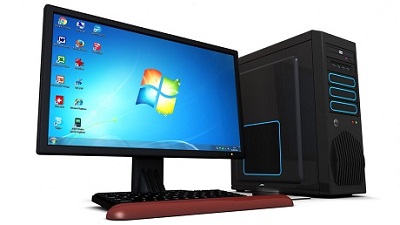 Today is a really historic day for the Microsoft family. Almost 11 years after the launch of Windows 7, Microsoft has decided its time to pull the plug on support for one of their most popular Operating Systems ever. For younger people more familiar with Windows 10, it’s hard to explain just how good Windows 7 was at the time. It felt like the first really STABLE and really aesthetically pleasing Operating System that Microsoft offered. Though it’s hard to believe, for millions of people, logging in daily and seeing this image below brought a sense of real comfort to the day. Windows 7 was awesome. It was seen as a marked improvement over its predecessor Window Vista, adding new “fancy” features like the taskbar, Aero window management, file libraries, and much more. Even with all the warnings and the heads up, Windows 7 remains popular, even today. It runs on 26 percent of all PC’s which is a staggering number considering that Windows 10 has been out for 4+ years AND Microsoft offered (and still offers) Windows 10 as a FREE upgrade to customers. Microsoft has been notifying users about this day for a full year and they plan to step up the notifications. A full-screen notification will appear for Windows 7 users on Wednesday, warning users that their systems are now out of support. If you are a business or an academic institution, your users will be able to pay for extended security updates but, it’s going to be expensive. Obviously some discounts will be available with volume licensing but when you start to think about how the costs will add up, the question is naturally – why stay with Windows 7? As you can see from the prices above, a company with 100 or more employees will start to pay REAL money going forward but there are a lot of smaller companies that will stay on Windows 7 until the lights are turned off. The reason is, they have made the decision that it’s a business-critical tool for their business. It would shock you if you knew how many small hotels and businesses run proprietary Windows 7 software. For more facts and figures, please visit OUR FORUM. |
Latest Articles
|